Assessment of contamination with hazardous substances in surface sediments in the Lower Danube River
Article Sidebar

Main Article Content
Abstract
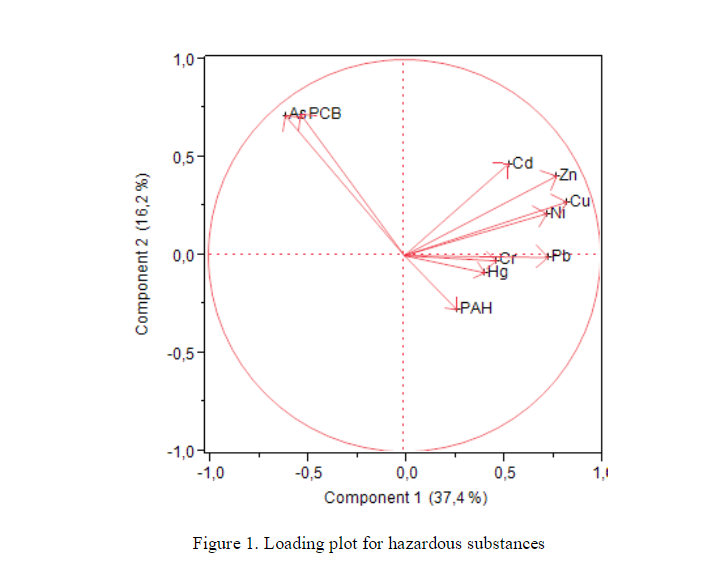
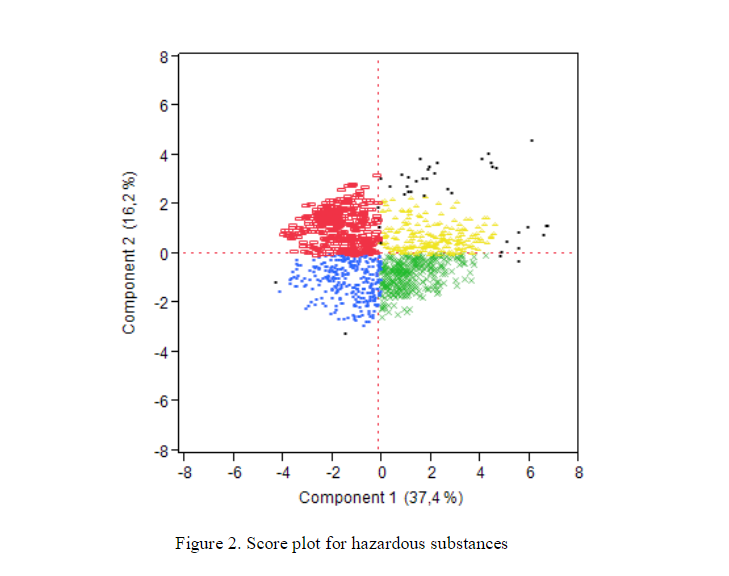
River ecosystems are exposed to various stressors, surface sediments as a constitutive part thereof are an essential feature for the evaluation of aquatic ecosystems status. This paper aims to assess the surface sediment quality in the lower section of the Danube River, in terms of hazardous substances content (As, Cd, Cr, Cu, Pb, Hg, Zn, Ni, PAH and PCB). For this purpose, 10 monitoring sites have been assigned for a period of September 2011-August 2017, where construction works were carried out with the purpose of improving the navigation conditions, which also involved sediment dredging. A total approximately of 1200 surface sediment samples have been collected from the Danube River (km 375-km 175), from the left and right banks, monthly during the construction period (2011-2015) and quarterly in the post-construction period (2015-2017). This study gives a description and more detailed evaluation of the integrated assessment of hazardous substances which was carried out in the surface sediments from the Lower Danube River using statistical analysis. The surface sediment quality evaluation was based on comparison of the obtained values with the chemical quality standards set out in the Romanian legislation (M.O. 161/2006). For a more in-depth assessment of the relationship between hazardous substances and for the identification of potential anthropogenic and natural sources, Principal Component Analysis (PCA) and Cluster Analysis (CA) have been used.
Article Details